QLED TV Marketing Exposed: Why Brands Must Now Be Transparent About Quantum Dot Technology
The QLED Controversy: A Wake-Up Call for TV Brands
A recent ruling in Germany has sent shockwaves through the television industry, putting immense pressure on brands to be more honest about their QLED marketing claims. This development highlights a critical issue in display technology marketing that consumers need to understand.
What Makes a "True" Quantum Dot Display?
According to a January whitepaper by TÜV Rheinland and quantum dot supplier Nanosys titled "Re-defining a 'true' Quantum Dot Display," many products marketed as QLED use conventional backlight architectures with standard phosphors, optical films, and diffuser plates. These devices rely on picture modes or software tuning to create a more saturated "vivid" look rather than genuine quantum dot technology.
The whitepaper further explains that some displays contain quantum dot material at "trace levels, or in packaging and integration designs that limit excitation and light extraction of certain wavelengths." In these cases, while the display might achieve competitive headline gamut coverage, "the measurable optical signature of an effective QD system is absent or minimal."
The Performance Gap
When quantum dot technology isn't properly implemented, the spectrum, color, volume behavior at high luminance, chromaticity stability, and temporal response can remain similar to those of non-QD LCD solutions. This means consumers might be paying premium prices for technology that doesn't deliver the promised benefits.
Why This Matters for Future Display Technologies
A clear understanding of what constitutes genuine quantum dot displays is essential not just for current QLED TVs but also for emerging technologies like QD-OLED displays. This clarity becomes even more crucial if true quantum dot electroluminescent displays (also known as QDEL or QD-LED) ever take off in the market.
Defining Standards for Quantum Dot Displays
Industry experts argue that "a quantum dot display should be defined by a combination of measurable material concentration and TV performance outcomes in terms of color purity, color gamut et cetera. Ideally, in a way that is understandable by consumers."
The TÜV Rheinland and Nanosys whitepaper proposes that QD displays should meet specific performance requirements beyond just color gamut numbers. These include:
- Spectral precision, tunability and stability
- Improved color accuracy behavior across luminance (not just a single 2D gamut number)
- Temporal performance under backlight modulation where applicable
Navigating Murky Marketing Waters
With television marketing remaining notoriously murky—and often misleading—consumers face significant challenges when trying to make informed purchasing decisions. The German ruling brings much-needed scrutiny to "QLED" and other potentially misleading display terms that have become commonplace in the industry.
For now, digging into detailed performance reviews remains the most reliable way for consumers to gauge how a display might perform in real-world conditions. As the industry faces increased pressure for transparency, brands will need to reconsider how they market their display technologies to avoid misleading consumers and facing regulatory consequences.

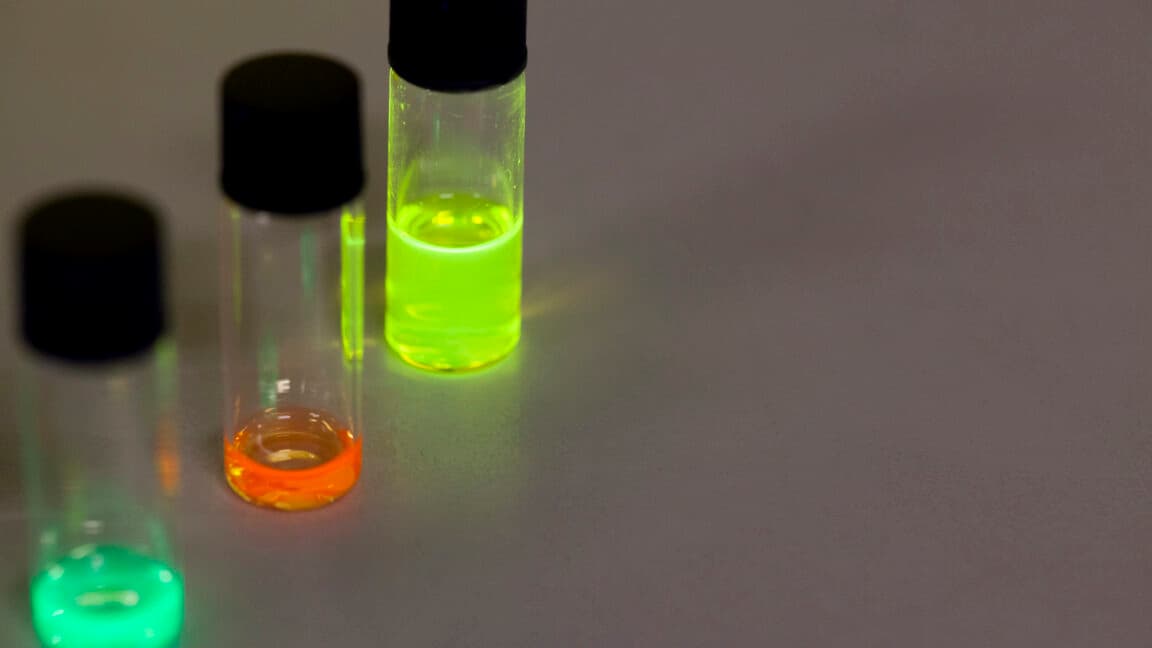
The diagram above illustrates the difference between genuine quantum dot displays and conventional backlight architectures marketed as QLED.
- #qled
- #quantumdot
- #tvtechnology
- #marketingtransparency
- #displaytech
Comments · 0