When Brand Humor Backfires: The Frida Baby Controversy That Shook Parenting Communities
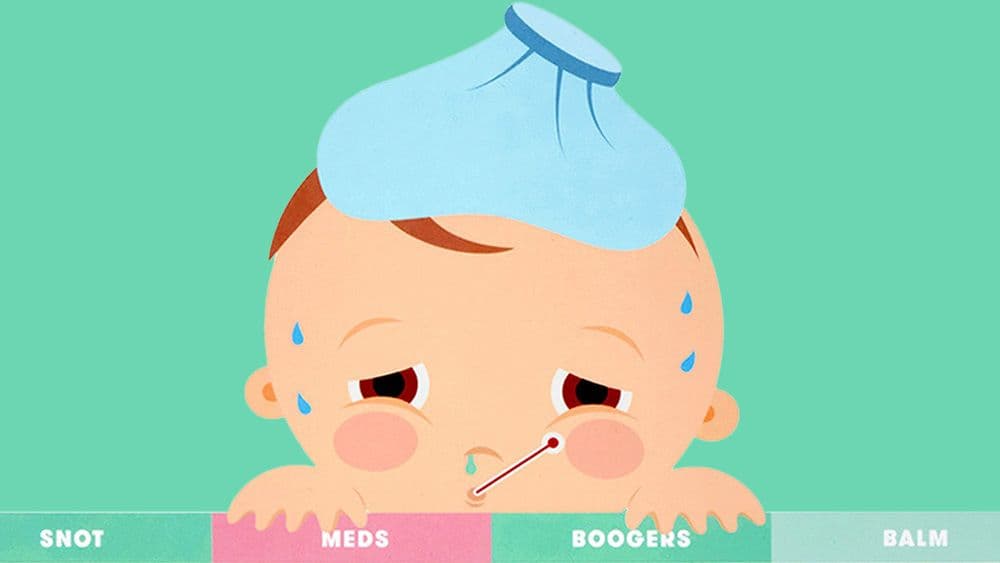
The Frida Baby Controversy Explained
Sometimes great branding can go too far. The Frida Baby controversy is the story of a brand that crossed a line with its edgy marketing approach.
From its initial launch with a Swedish NoseFrida nasal aspirator back in 2014 to its expansion into fertility products and postpartum kits, the Frida Baby brand maintained a fresh tone of voice that ditched tired euphemisms to empathize with the raw realities of parenting.
That often involved using humor, recognizing that parenting can be dirty and tiring, and that laughing about that can provide relief. The brand also took a stance and called out hypocritical social norms. Most recently, it's been pointing out how female breasts are flaunted in billboards, music videos and social media, but cause outrage when seen doing their job of feeding a baby.
The Spark That Ignited the Fire
That's not the big Frida Baby controversy though. The outrage that exploded in the past week was over packaging designs and old social media posts that featured sexual innuendos that were resurfaced in a post on X that was seen millions of times.
The post included a screenshot of a Frida Baby TikTok post with the caption "This is the closest your husband's gonna get to a threesome" alongside a photo of a 3-in-1 rectal thermometer. Another photo shows packaging of the Frida Baby 3-in-1 Eat, Forehead and Touchless Thermometer with a phrase that reads "How About A Quickie?". A humidifier is sold with the phrase "I Get Turned On Easily" and a social media post from 2020 showed a baby with nose discharge alongside the caption "What Happens When You Pull Out Too Early".
The captions and slogans were clearly intended to offer lighthearted relief to stressed-out parents, but the juxtaposition of sexual innuendos with products designed for infants crossed a line for many. Within hours there were posts on parenting forums calling for boycotts of Frida Baby products.
"men being the brains behind this nasty marketing unfortunately tracks. @fridababy you have some sick and twisted people on your team"
The Brand's Response
Frida Baby's reaction didn't help. They didn't initially issue a formal response, but it apparently began to delete old social media posts. It also removed the "meet the team" page from its website.
It's perhaps surprising that the controversy is only surfacing now because of a couple of viral social media posts many years after some of the offending branding was used. That suggests that those calling for boycotts probably weren't buying Frida Baby products anyway, or at least not when the brand used the controversial packaging slogans.
The brand eventually issued a statement in which it said: "From the very beginning, Frida has used humor to talk about the real, raw, and messy parts of parenting that too often go unspoken. We do this because parenting can be isolating and overwhelming, and sometimes a moment of levity is what makes a hard experience feel human, shared, and survivable.
"Our products are designed for babies, but our voice has always been written for the adults caring for them. Our intention has consistently been to make awkward and difficult experiences feel lighter, more honest, and less isolating for parents.
"That said, humor is personal. What's funny to one parent can feel like too much to another. We're never trying to offend, push boundaries for shock value, or make anyone uncomfortable. Importantly, our tone is never separate from our product. The humor we use is always grounded in a specific feature, benefit, or innovation — a reflection of the real problem we are solving for families.
"Frida was built to support families through some of the most vulnerable and transformative chapters of their lives. We stand firmly behind that mission. We will continue to show up with honesty, empathy, and courage.
"With each decision we make, we will continue to evaluate how we express our voice so that our commitment to families is unmistakable and our tone always meets the moment."
What We Can Learn From the Frida Baby Backlash
There's been a trend for brands to adopt more informal, 'cheeky' or 'sassy' tones of voice to grab attention online, particularly among younger audiences. From Ryan Air's chaotic self-deprecation to DuoLingo's unhinged mischief and Oatly's grating quirky self-awareness, some have had great success, with their content picking up engagement.
Frida Baby showed that an honest directness can break through taboos and connect with consumers. But it's discovered that there are some big lines in the sand. Not every joke that might work among friends is going to be well received as a mass market brand message.
Context is important, and it should have been obvious that these juxtapositions would cause repulsion among many consumers. Today, that can spread like wildfire on social media.
Brands can change as they grow. If posts no longer reflect what the brand is, delete them before they get called out; not after.
Have a plan. A brand should be aware when it's risking controversy and know what it's going to do if there's a backlash. Hastily deleting content isn't great. If you're not prepared to stand by it, why was it there in the first place?
Playful and witty banter can resonate with Gen Z and Millennials, who value humor and relatability over formality. It can humanize a brand and generate buzz and engagement. Frida Baby's branding was a breath of fresh air, but taking it too far showed a lack of awareness of its product's context and has risked detracting from the worthwhile conversations it was starting.
- #branding
- #controversy
- #marketing
- #parenting
- #crisis
Comments · 0