The Hidden Cost of Hong Kong's Queue Culture: When Waiting Becomes a Marketing Tool
The Queue as a Commodity
Hong Kong is renowned for its orderly queues—a testament to the city's discipline and shared respect for space. As one newcomer observed, when three people are waiting for the same thing, a line forms almost instinctively. This queuing culture is often praised as a symbol of civic virtue.
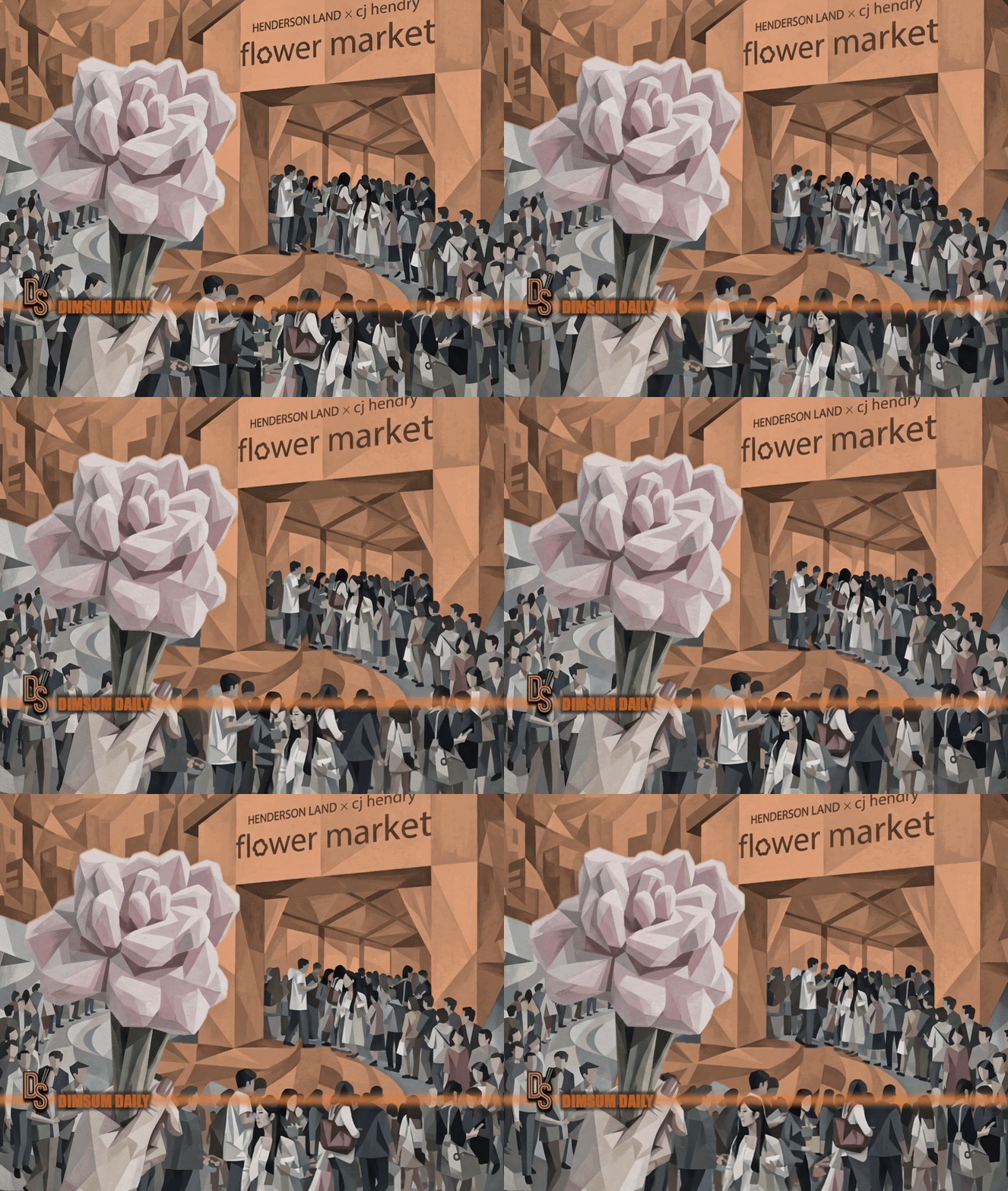
However, recent events reveal a darker side. At the Central Harbourfront plush flower show, visitors reported five-hour waits, only to find merchandise sold out. Similarly, ThongSmith in Wan Chai has become infamous for its lengthy dinner lines. This isn't just about patience; it's about time being exploited as a marketing strategy.
The Mechanics of Modern Queuing
Events like the "Henderson Land x Cj Hendry Flower Market" use scarcity and limited access to create hype. Free entry with limited booking slots vanished quickly, forcing walk-ins to endure hours of waiting. On-site, HK$499 "blind box" bundles were released separately, rewarding early arrivals and fueling secondary market resales.
This system turns waiting into unpaid labor for the organizer. A long queue photographs well, generates social media buzz, and creates the illusion of high demand. The public supplies the spectacle, while the organizer reaps the benefits.
Why Hong Kong Is Vulnerable
Hong Kong's queuing tradition is deeply ingrained. It's taught from childhood and reinforced through physical systems like bus stop markings and event barriers. This makes residents particularly susceptible to incentive designs that exploit their patience.
When waiting is seen as morally correct, businesses can offload operational failures onto customers. A poorly managed ticketing system becomes "unavoidable demand," and scalpers thrive when supply is mismanaged.
The Real Cost of Waiting
Five hours isn't just time—it's opportunity cost. It could be a family lunch, a workout, or income-generating work. Events that demand such waits are asking people to pay with their most irreplaceable resource: time.
At ThongSmith, the queue is theatre. It signals status and makes the meal feel "earned," but it also turns dining into an endurance contest.
Toward Ethical Queue Management
The solution isn't to abandon queuing—it's to manage it transparently. For exhibitions:
- Allocate stock clearly across days and time slots.
- Implement per-person purchase limits.
- Publish real-time wait updates for walk-ins.
- Integrate special offers like blind boxes into the main access system.
Restaurants should:
- Use digital waitlists and staggered seating.
- Communicate realistic capacity to customers.
- Avoid glorifying outdoor queues as aesthetics.
Reclaiming the Queue
Queuing in Hong Kong has long been a social contract based on mutual respect. Recent events have breached this contract, turning politeness into marketing fuel. The true cost isn't just the product at the front of the line—it's the time taken from everyone standing in it.
- #queuing
- #marketing
- #hongkong
- #consumerbehavior
- #ethics
Comments · 0