The Dark Truth Behind MLMs: How Multi-Level Marketing Became America's Most Deceptive Business Model
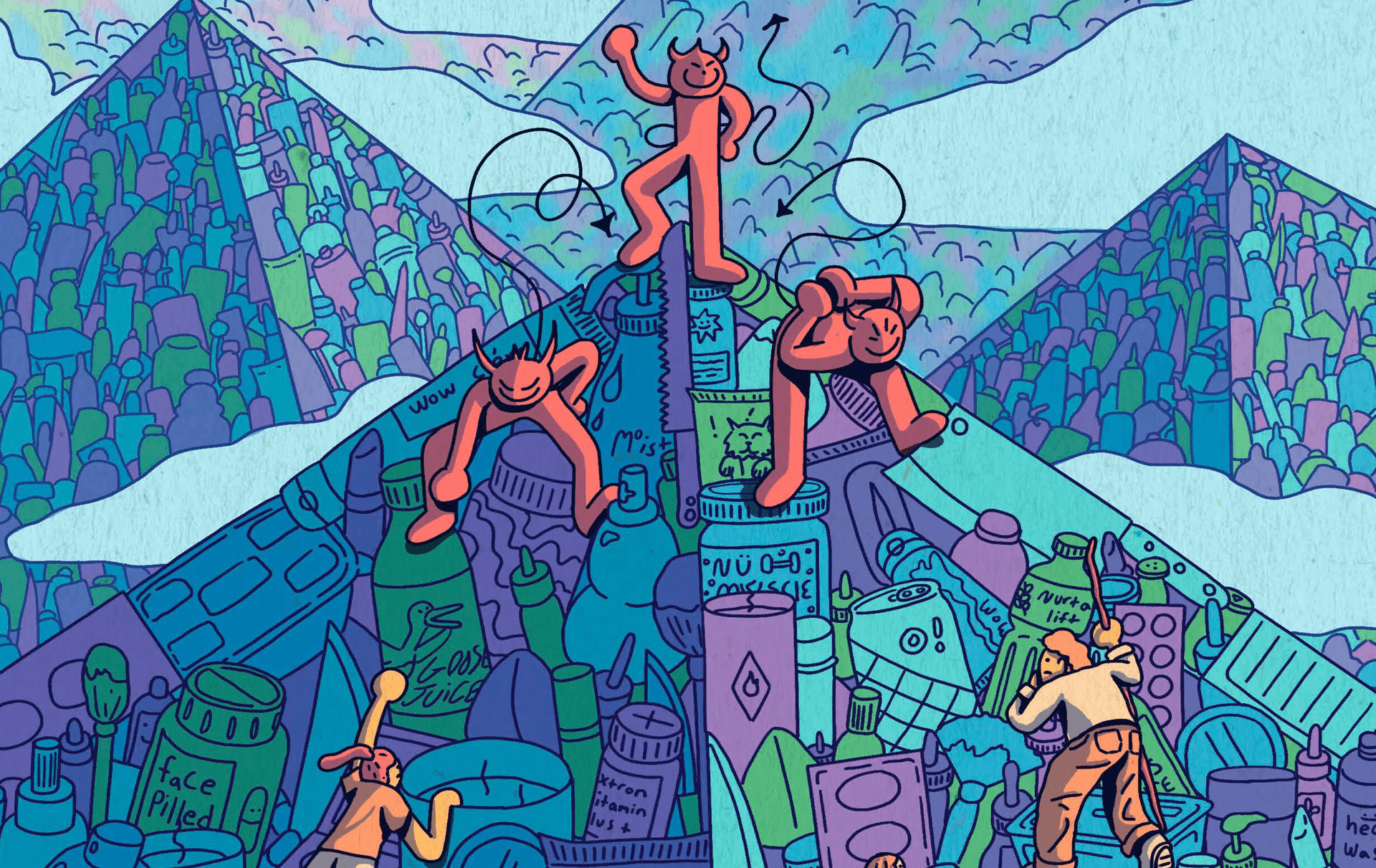
The Origins of a Predatory System
With a $5,000 loan and sheer determination, young entrepreneur Glen W. Turner launched Koskot Interplanetary, Inc. in 1967—a cosmetics company that would soon be valued at hundreds of millions of dollars. This marked the beginning of what would become the multi-level marketing (MLM) empire, built on promises of wealth and independence that rarely materialized for most participants.
From Yankee Peddlers to Modern Exploitation
The direct sales industry has deep roots in American history, beginning with Yankee Peddlers who served rural communities from colonial times through the mid-1800s. These traveling salesmen faced challenges as railways and retail stores became more prevalent, but manufacturers soon realized the power of direct sales to push products without competition.
David McConnell, founder of what would become Avon, revolutionized the industry by hiring women and training locals to tap into social networks. This strategy proved incredibly successful, with businesswoman Madame CJ Walker becoming one of the first female self-made millionaires in the United States through a similar model.
The Great Depression and Regulatory Evasion
When the Great Depression hit, direct sales companies found an unexpected advantage: with more people needing supplemental income, they had a steady stream of new recruits. However, New Deal reforms threatened their business model with minimum wage and payroll tax requirements.
At a 1935 industry conference, one executive suggested labeling salespeople as independent contractors instead of employees—a loophole that allowed companies to skirt labor regulations and cut costs dramatically. This practice continues today across many industries, including the gig economy.
The Rise of the Party Plan and Female Recruitment
Mary Kay Cosmetics and Tupperware pioneered the "party plan" sales strategy in the 1950s, ushering in the modern MLM era. These companies specifically targeted women, presenting their opportunities as both empowering and compatible with traditional homebound duties.
Sociologist Nicole Biggart's 1989 interviews revealed why women were particularly vulnerable to MLM recruitment: they sought flexibility to balance work and family, appreciated the instant "family" of salespeople, and felt the playing field was more level than in traditional jobs.
Amway and the Ideology of Entrepreneurship
Founded in 1959, Amway (short for "American Way") became the largest MLM in the world by revenue. The company capitalized on growing disillusionment with American work culture, pitching the allure of becoming an entrepreneur with Reagan-era bootstraps ideals.
Amway's advertisements focused as much on selling the dream of business ownership as on their actual products. "Amway can show you how to stop whining and start living," one advertisement read, encapsulating the condescending tone that characterizes much MLM messaging.
The Pyramid Scheme Loopholes
Despite operating similarly to illegal pyramid schemes, Amway avoided being branded as one by implementing rules requiring distributors to sell 70% of their monthly purchases and make sales to at least 10 customers per month. Later MLMs would adopt similar rules, though many contain loopholes that enable internal consumption to count as retail sales.
Herbalife: A Case Study in Regulatory Failure
Herbalife, founded in the 1980s, carved out a niche in "natural" remedies and nutritional supplements. The company has faced numerous scandals, including products containing dangerous ingredients like ephedra (now outlawed) and making false claims about treating serious illnesses.
Despite a 2016 FTC investigation that revealed compensation was based primarily on recruitment over sales, Herbalife wasn't branded a pyramid scheme. Instead, it was ordered to pay $200 million in restitution—a fraction of its earnings—and "restructure" its operations.
The Cult Comparison
Anti-MLM content has gained millions of views on platforms like YouTube, Reddit, and TikTok, with many drawing parallels between MLM techniques and cult control methods. Former MLMers and observers note unsettling similarities in charismatic leadership, demands for devotion, and targeting of vulnerable individuals.
While MLMs employ extreme manipulation tactics, they share similarities with standard businesses' internal branding techniques—superficial motivational messages designed to create devoted workforces.
The Future of MLMs
MLMs claimed a banner year for recruitment in 2020, with industry publications noting that Gen Z represents a particularly fertile recruiting ground due to their financial insecurities and social media savvy. These publications advise MLMs to emphasize social justice in their branding, despite their history of exploiting vulnerable groups.
The products themselves are often negligible to the MLM model—sustainable income requires recruitment, embracing self-flagellating individualism, and selling the dream of agency and financial independence.
As Amway founder Richard DeVos titled his 1994 treatise, MLMs represent a form of "Compassionate Capitalism"—presenting themselves as friendly helping hands while reproducing the worst impulses of the capitalist system they claim to transcend.
- #mlm
- #pyramidscheme
- #businessethics
- #consumerprotection
- #directsales
Comments · 0