Surprise Media Shake-Up: Hotel Billionaire Buys Nine's Radio Stations in $50M Deal
What a morning it has been in Australian media.
Just before 9am today, it was announced that Nine had acquired outdoor firm QMS in a $850 million deal and had sold its radio assets.
It’s no secret that Nine has been looking to offload 2GB, 3AW, 4BC, 6PR, 2UE, Magic1278 and 4BH but the buyer—the Laundy Family Office—has got chins wagging, to say the least.
“Did anyone forecast an octogenarian hotelier as a likely buyer of several leading radio stations? I think not,” said Chris Walton, Nunn Media’s Sydney MD.

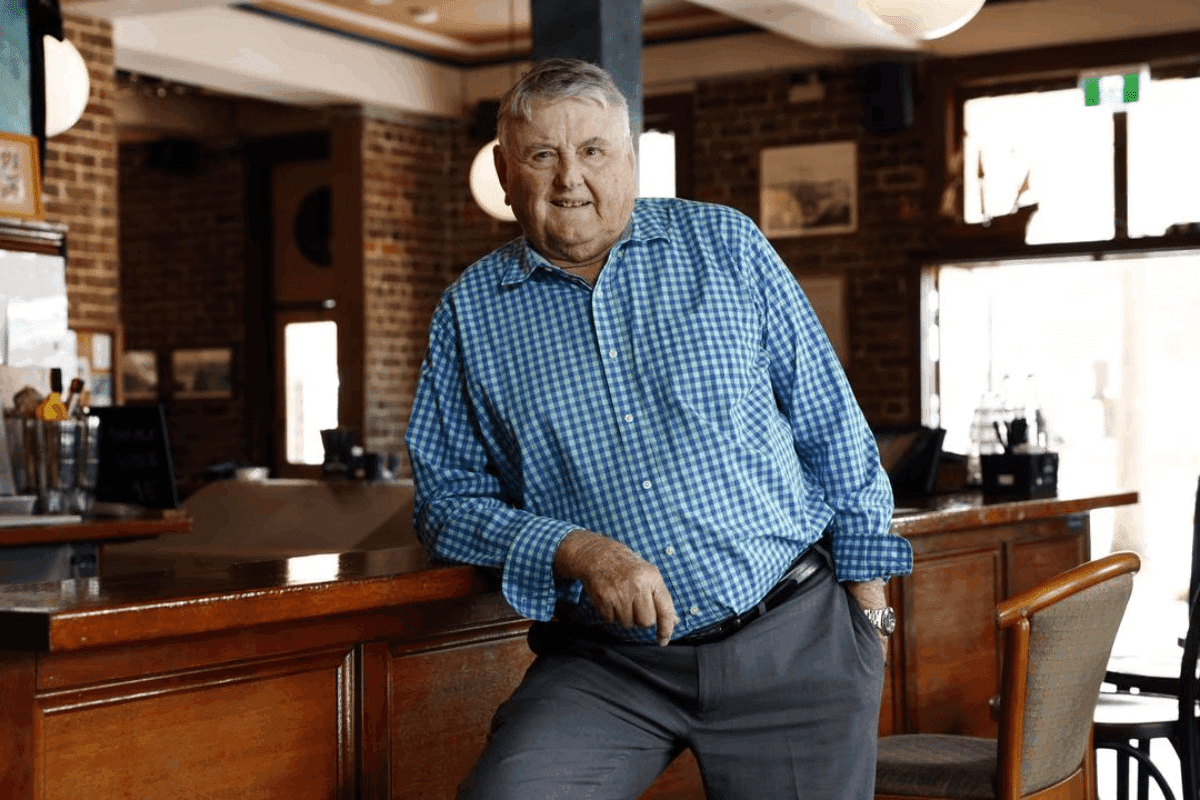
Arthur Laundy owns more than 90 pubs, bars and hotels across NSW and is seen as the biggest competitor to Justin Hemmes’ Merivale. The family’s surprising move into media has been seen as not only a smart business decision but a strong political move.
“In pure business terms, buying cash-generating assets for a fraction of their cost of just a few years ago, is the type of deal that explains why billionaires are billionaires. And for someone worth almost $2 billion, spending $50 million on something is hardly betting the farm,” continued Walton.
“Given the well known political leanings in the family, this move may well be to help protect and grow conservative voices in the media. Radio stations 2GB and the Sydney Morning Herald were always odd bedfellows, so perhaps there is a desire to ‘free’ up the content (i.e. turn right). It could well help the networks strengthen their identity and link to their core audiences given they will emerge from under Nine’s corporate umbrella. But watch out for a new owner without hands-on media experience falling into the ‘everything is for sale’ trap, which will undermine the very listener relationships that this purchase may be aiming to strengthen.”
Virginia Hyland, CEO of SQUAD M&A also saw the play as a political one.
“The sale of the talk radio network to Laundy is not simply a financial transaction; it’s a strategic repositioning of influence. For a business leader like Laundy, radio offers more than commercial return — it provides a platform to participate in opinion, shape conversation and exert soft influence across civic, social and political discourse. In that context, Nine’s move sharpens its focus on scalable, commercially driven media infrastructure, while Laundy’s entry reflects a different motivation: one rooted in voice, advocacy and presence in public debate,” said Hyland.

However, Darren Woolley, founder and global CEO at Trinity P3 saw this move by the lord of the lager as strictly a business opportunity.
“Is this an Australian-scale version of what happens in the US with all the billionaires buying media outlets?” he said.
He wondered if this is an opportunity for the Laundys to promote their other businesses of running venues across the nation.
“You may as well pay the money to yourself indirectly and, hopefully, get some sort of tax benefit at the same time,” he suggested.
On the other side of the sale, Woolley said that the reshuffle of Nine’s portfolio was a calculated play.
“This is a strategic investment for Nine, offloading the difficult radio network business, because they’ve never seemed to be able to fully integrated into the rest of the offering. And you would think that being a broadcast business primarily, with a publishing arm, that that they would have been able to do that, but it was always a struggle. Whereas QMS is a strong investment, because you’ve seen outdoor spending hold up pretty well over the last five years.”

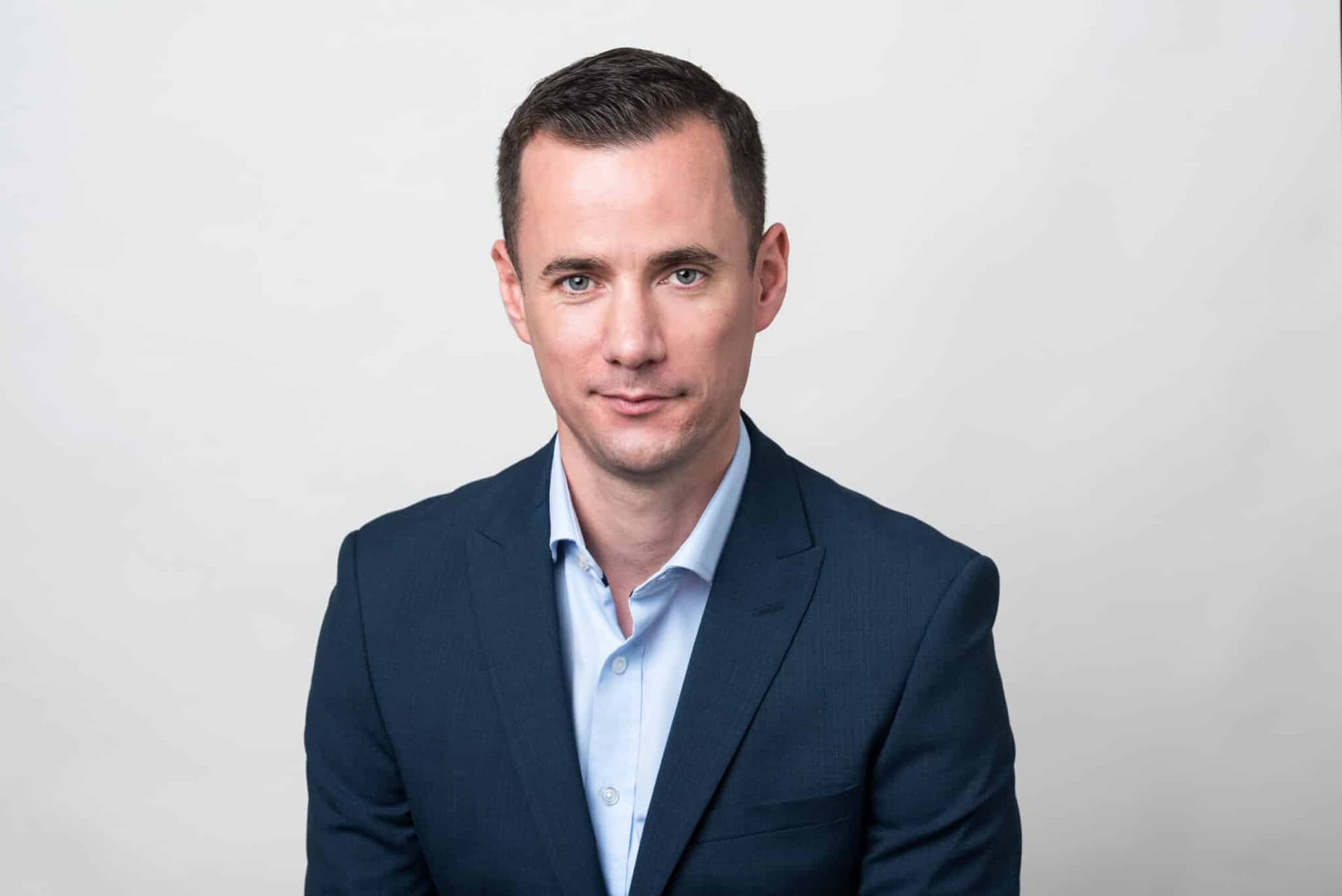
Paul Sinkinson, managing director, Australia and Asia of Analytic Partners, thought the move was “surprising” even despite Nine’s efforts at “shaking things up”.
“It’s encouraging to see a media company thinking differently, rather than doing more of the same,” he told B&T.
“When you look at Nine’s own statements, the rationale starts to make sense: out-of-home is fairly resilient and it’s one of the few channels still experiencing sustained growth. In that context, the acquisition feels logical, particularly when you compare it to channels like radio, which haven’t seen the same momentum.”
But he did see this as an exciting opening for TVCs and billboards to be utilised in a more creative way.
“There’s also an interesting opportunity around how this could evolve buying and targeting. Purely demographic-based buys are increasingly limiting – we’ve seen consistently stronger results when campaigns move beyond that approach. This acquisition potentially brings Nine closer to more sophisticated targeting, especially when you consider how out-of-home data and behavioural datasets have evolved in recent years,” said Sinkinson.
“Where I’d really love to see this go is in creativity. For a long time, we’ve talked about how many out-of-home billboards are effectively just the end frame of a TVC. If planning and creative discussions are happening together earlier and more holistically, this could unlock a step-change in creative quality for out-of-home. That, for me, is one of the most exciting possibilities to come out of this move.”
Meanwhile, Taylor Fielding, CEO of TFM Digital, had this to say:
“Nine has historically been very broadcast-focused, so for many this is a surprising but understandable repositioning. For us, QMS has been a great digital OOH partner. They have some of the best placements for local campaigns, have remained very future-focused and we’ve been trading their amazing assets for a number of years.
“This news is very relevant for our multi-location clients as it will support and supercharge connection to hyper-local audiences. It will make Nine’s ecosystem very competitive if Matt Stanton’s ‘Sofa to Street’ positioning delivers as promised.”
- #media
- #acquisition
- #radio
- #advertising
- #industry
Comments · 0