Is Your Marketing Team Stuck in a Structural Crisis? Why Outdated Hierarchies Are Killing Creativity
The Structural Crisis in Creative and Brand Teams
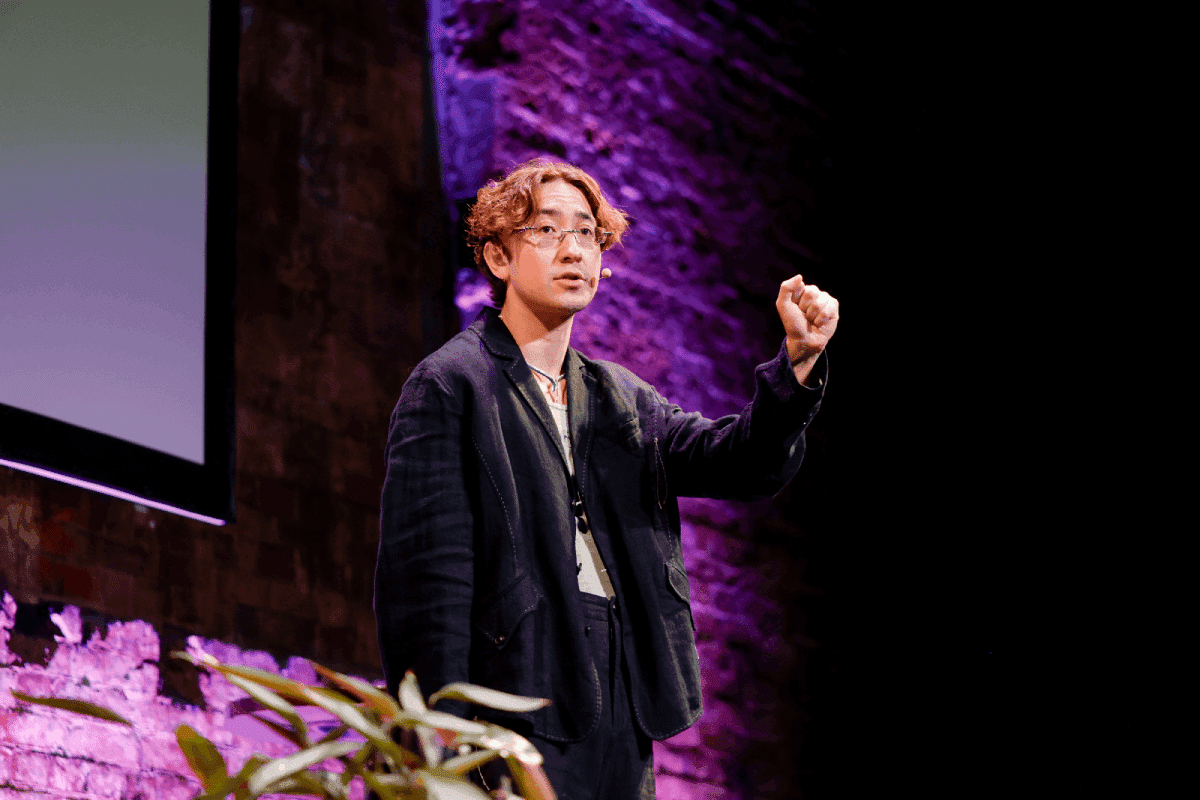
Independent brand strategist Eugene Healey has issued a stark warning: creative and brand teams worldwide are facing a "fundamental crisis of structure" due to outdated top-down hierarchies and a failure to adapt to today's cultural and media landscapes.
Speaking at the Content Summit Australia in Brisbane, Healey argued that the way brands are built and organized is no longer fit for the current tech, media, or cultural environment.
The Problem: Outdated Hierarchies and Linear Campaigns
Healey, who has worked with major clients like AGL, Wesfarmers, Coles, and Asahi, explained that most marketing organizations operate with two shapes: a left-to-right arrow and a triangle. The arrow represents the traditional linear campaign structure: plan, create, track, repeat.
Strategy and planning hand off to creative and production, who then pass to media teams, with tracking and measurement at the end—if we're lucky. The triangle symbolizes the "Sovereign Military Models of Approvals in Governance," where getting work approved is often more challenging than creating it.
"Anyone can kill a campaign," Healey said. "Not just the CMO or CEO, but the CFO, legal team, or ops. If they wake up on the wrong side of the bed, that campaign's getting pulled."

Why Old Media Rules No Longer Apply
Healey pointed out that traditional marketing rules worked in a monolithic media environment where everyone consumed the same content, like watching Blue Heelers on TV and discussing it the next day. This allowed for centralized budgets and massive investments in single pieces of creative, like the iconic "Big Ad" from 2005.
However, today's media landscape is hyper-fragmented. With platforms like YouTube, streaming services, and social media, there's no single cultural moment big enough to drive creative momentum. Attention is no longer linear, and algorithmic distribution means brands are experienced as an accumulation of fragmented moments.
"The strongest brands are the brands that emit the strongest vibes," Healey explained. "It's like observing a frantic Twitch chat; you can't digest individual messages, but you can sense broader sentiment."
The Solution: Relinquish Control and Adapt
To survive this crisis, Healey advocates for a shift from a master-slave relationship (total ownership and control) to a parent-teenager relationship, where brands are key influencers but not sole owners. This means relinquishing control and building to a consistent cultural signal.
New Operating Principles for Orchestrated Brands
- Polysemantic Brand Ideas: Create ideas that work across multiple channels and environments, minimizing the risk of things going wrong.
- New Distinctive Brand Assets: Move beyond traditional assets like logos and jingles to include content formats, visual universes, and more. Examples include TikTok channel Subway Takes and sunscreen brand Vacation.
- Judgment at All Levels: With production commodified and creative output skyrocketing, senior leadership can't be the only ones approving work. Everyone in the organization needs to exercise judgment, turning the triangle into a square.
"The new role of the orchestrator is understanding the underlying pattern, not just following static brand guidelines," Healey said. "Static brand guidelines are dead."
The Future: Will Leaders Let Go?
Whether senior leaders can truly relinquish control remains to be seen. It will take bold brand managers and marketing directors to propose these changes—but by then, it might be too late.
B&T travelled to Content Summit Australia as a guest of The Content Division.
- #brandstrategy
- #marketingcrisis
- #creativehierarchies
- #mediatransformation
- #organizationalchange
Comments · 0