Béis Luggage's 'Fraud Alert' Email Backfires: A Cautionary Tale for Marketers
Béis Luggage's 'Fraud Alert' Email Backfires: A Cautionary Tale for Marketers
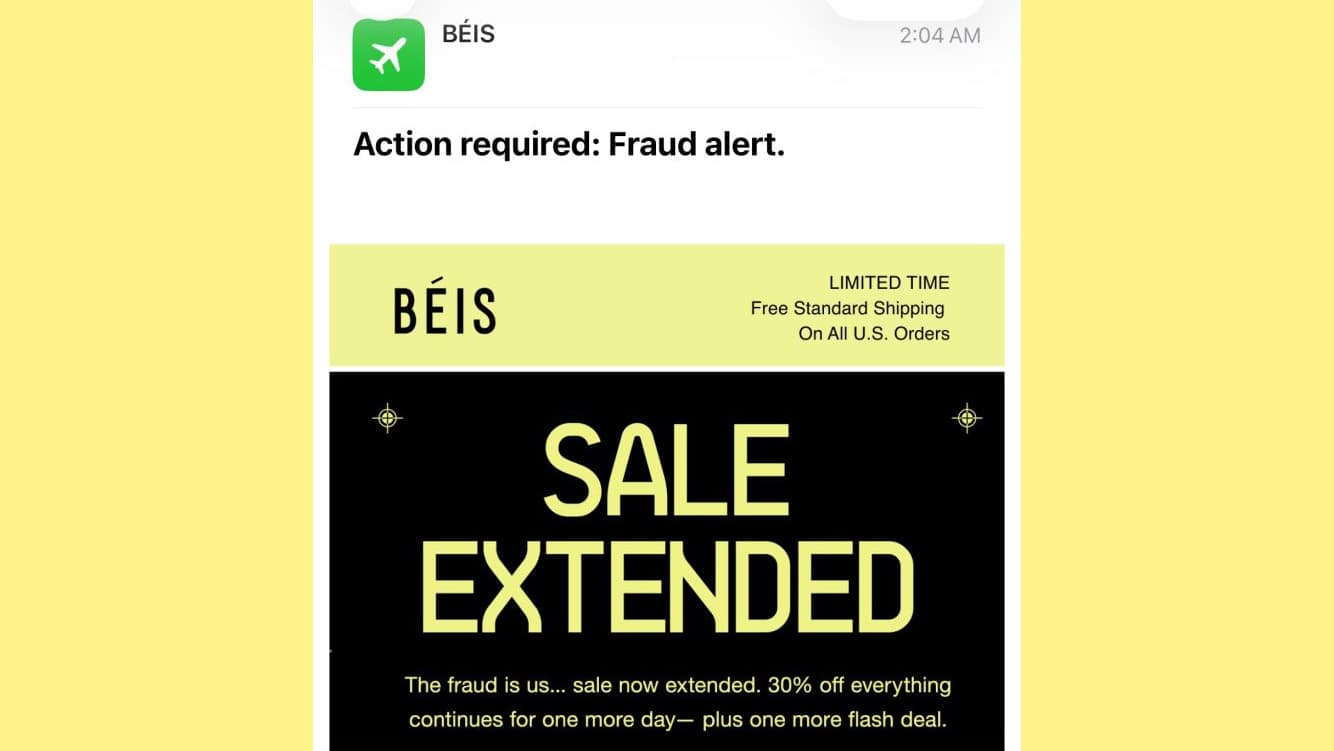
Luggage brand Béis has landed in hot water after using a deceptive email marketing tactic that sparked widespread backlash from consumers and influencers alike. The brand sent out an email with the subject line "Action Required: Fraud Alert", which many recipients initially believed was a legitimate security warning about their accounts or purchases.
 Béis' fake 'fraud alert' email is drawing backlash. (Jessica Levinson, LinkedIn)
Instead of an actual fraud alert, the email turned out to be a marketing gimmick designed to promote products or sales. This move has not only angered customers but also raised concerns about potential violations of Federal Trade Commission (FTC) rules regarding deceptive advertising practices.
The Fallout on Social Media
Consumers and influencers took to social media platforms to express their outrage, criticizing Béis for using fear-based tactics to drive engagement. Many argued that such strategies erode trust and damage brand reputation, especially in an era where consumers are increasingly wary of spam and phishing attempts.
Why This Matters for Marketers
This incident serves as a stark reminder of the importance of ethical marketing practices. While creativity and standing out in crowded inboxes are crucial, crossing the line into deception can have severe consequences:
- Legal risks: The FTC has strict guidelines against misleading advertising, and violations can result in fines and other penalties.
- Brand reputation: Once trust is broken, it can be incredibly difficult to rebuild customer loyalty.
- Consumer backlash: In the age of social media, negative experiences can quickly go viral, amplifying the damage.
Key Takeaways
Marketers should prioritize transparency and honesty in their campaigns. Gimmicks that rely on deception may generate short-term opens or clicks, but they often lead to long-term harm. Building a sustainable brand requires fostering genuine connections with your audience, not tricking them into engagement.
As the digital landscape evolves, maintaining consumer trust should be at the core of every marketing strategy. This Béis case highlights how quickly a misstep can turn into a full-blown crisis, underscoring the need for careful consideration of both the ethical and practical implications of marketing tactics.
- #emailmarketing
- #brandtrust
- #marketingethics
- #consumerbacklash
- #ftcrules
Comments · 0