Unlocking the Power of AI in PR: Mastering Newsjacking and Reactive Strategies

The digital PR industry is undergoing a major transformation as AI workflows reshape how brands engage in outreach, develop strategies, and secure media coverage. With the ability to rapidly analyze data and personalize pitches, AI is becoming an indispensable tool for modern marketers.
The Challenge Ahead
The imperative is clear: adapt to this new reality by harnessing AI’s capabilities to boost creativity and efficiency, or risk being outpaced by competitors.
The Age of AI-Driven PR
In 2014, I discussed the robot invasion in digital PR. As the content marketing sector expanded, many media relations professionals flooded journalists with generic press releases in hopes of gaining coverage. This led to a rise in spammy tactics infiltrating editorial teams, aiming to manipulate rankings through paid link strategies. My agency, Fractl, focused on producing newsworthy, data-driven content and effective outreach strategies that garnered media attention.
Fast forward to 2025, and AI workflows have evolved to deliver results faster and more efficiently than traditional methods. I recently tested a proprietary AI tool that built a media list and developed a personalized pitch strategy in seconds—something that previously took days.
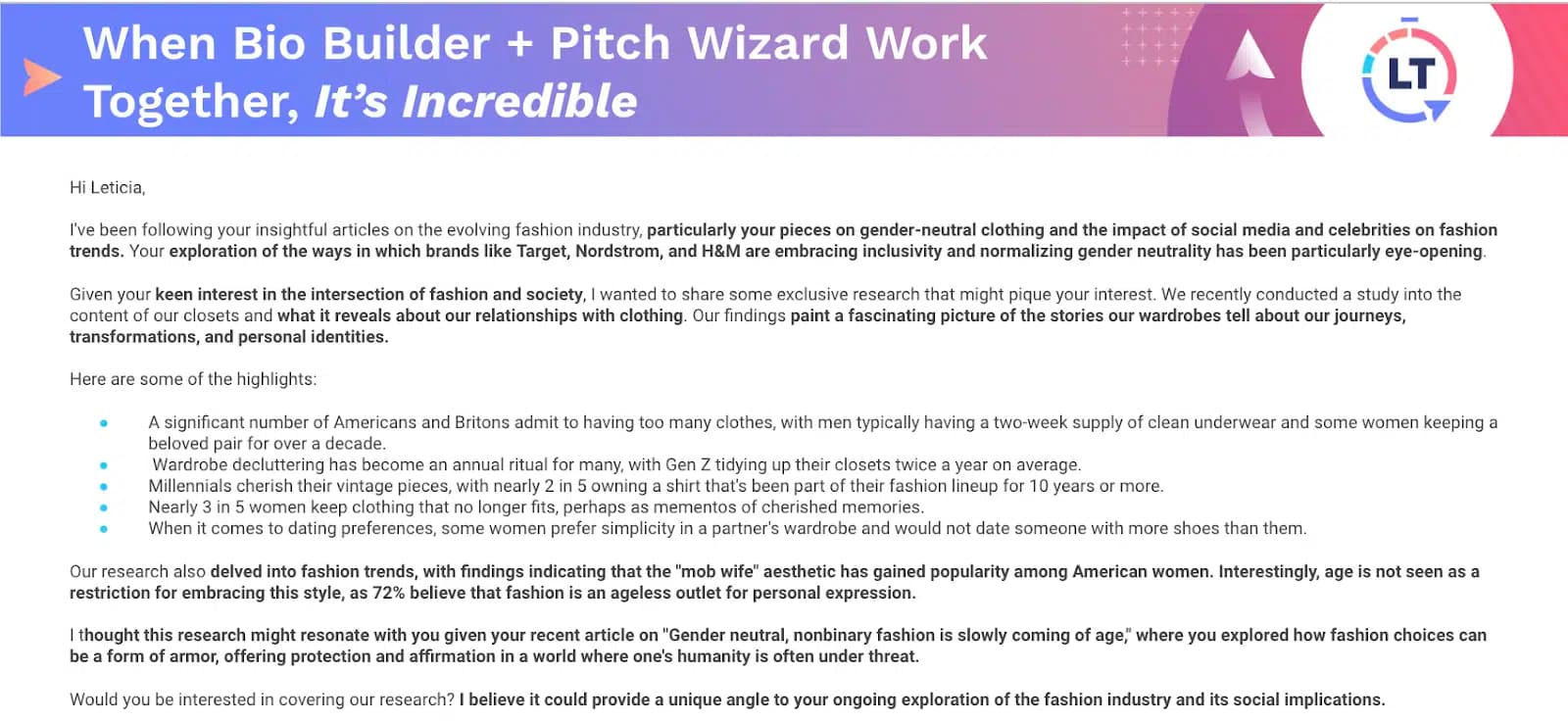
By the end of 2024, we expanded our AI workflows into multiple agents and tools, enabling us to secure media coverage in top-tier outlets like Reuters and CNBC. This year, it's crucial to learn how to effectively leverage AI’s marketing capabilities or risk losing to competitors who do.
Understanding Newsjacking
Over the past 12 years, I’ve analyzed thousands of top-performing campaigns, observing that the most successful brand content shares common traits:
- Emotionally compelling
- Timely
- Educational
- Entertaining
- Data-backed
- Supported by subject matter experts
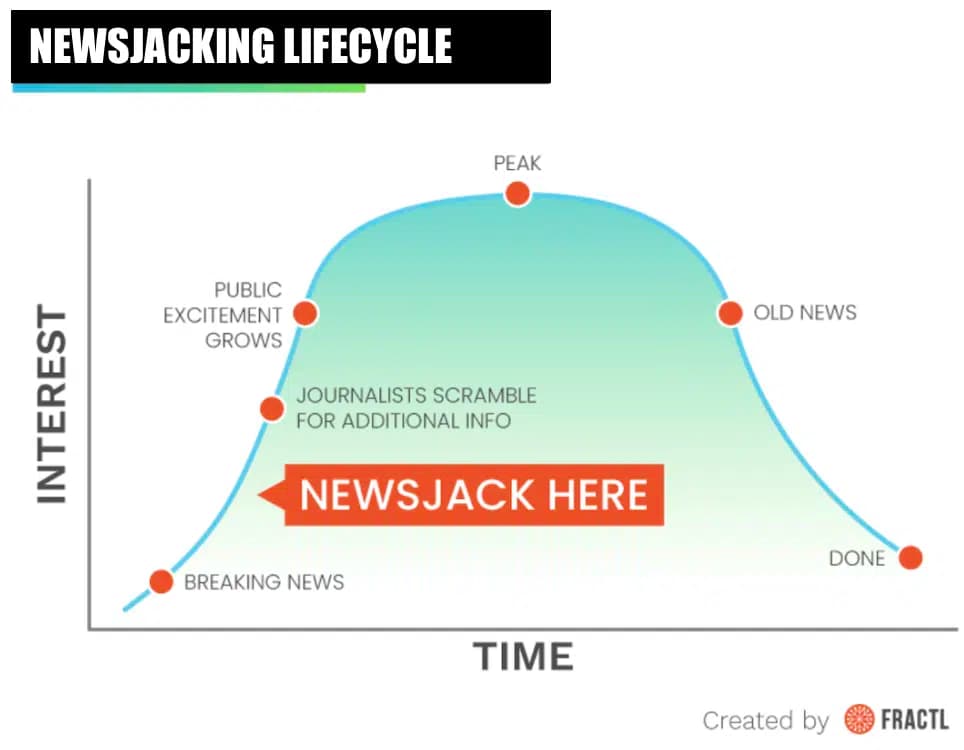
The key lies in aligning a journalist’s interest with your brand’s expertise, providing valuable insights during trending news cycles.
Reactive vs. Proactive PR Strategies
Understanding when to use reactive PR (responding to breaking news) versus proactive PR (aligning with cyclical news) is essential. Reactive PR works best for brands that can act swiftly, while proactive PR allows for longer-term planning around annual events.
Reactive PR involves:
- Rapid ideation and pitching within 1-3 days of news breaking.
- Utilizing tools like Google Trends and internal data analysis.
Proactive PR focuses on:
- Tying your brand to recurring events like holidays or seasonal trends.
- Developing evergreen content strategies in advance.
Boost Your Newsjacking with AI Prompts
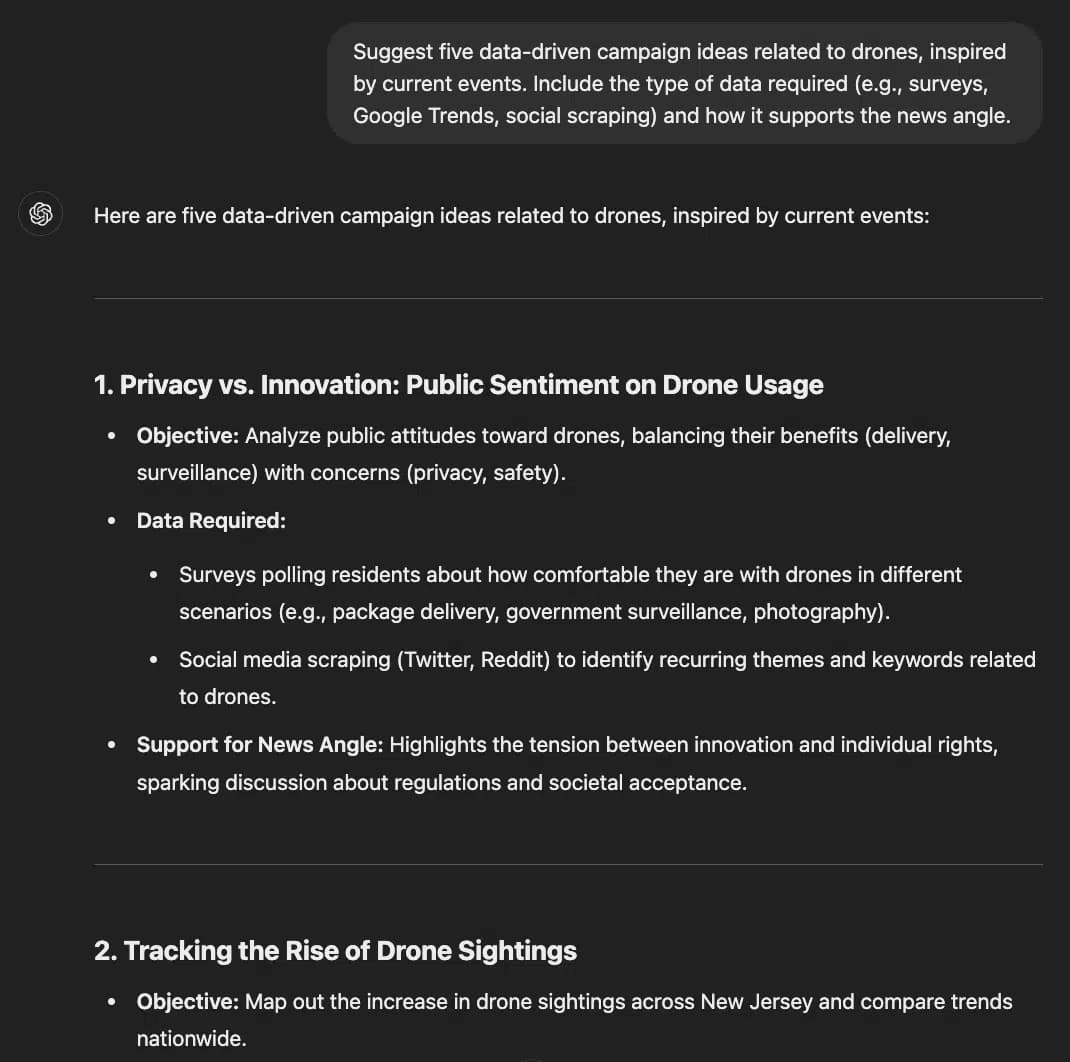
AI can enhance your PR strategies by streamlining tasks like list-building and pitch-writing, allowing human strategists to focus on creativity and relationship-building. Here are three prompts to ignite your newsjacking ideation:
- Using Trending News: Analyze recent news stories to identify opportunities for commentary.
- Internal News Stories: Share relevant internal stories with your team to brainstorm potential campaigns.
- Fleshing Out Ideas: When aware of a trend, prompt for concrete campaign ideas that capitalize on that trend.
The Future of Digital PR
AI is a disruptive force in digital PR, offering those who embrace it a chance to scale their creativity and speed up execution. Successfully integrating AI into your PR strategy will determine whether you thrive or become obsolete in a rapidly evolving landscape.
Will you harness the power of AI to take your PR efforts to the next level, or will you be left behind?
- #digitalpr
- #newsjacking
- #aiforpr
- #marketingstrategy
- #reactivepr
Comments · 0