Unlocking Success: Why Your Business Needs a Brand LLM Now!
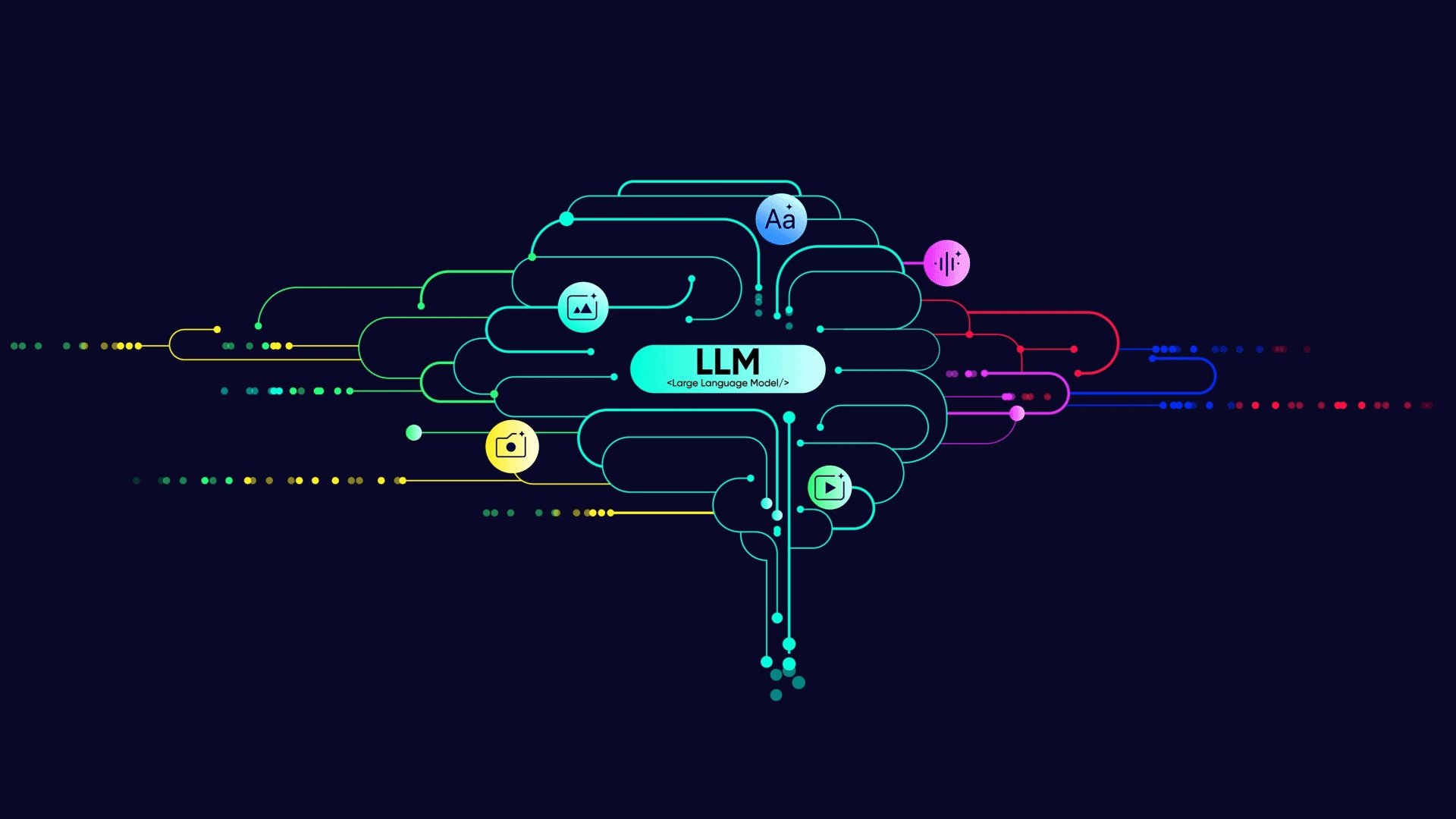
As businesses strive for consistent and personalized engagement across various channels, a brand LLM emerges as a game-changing solution.
Powered by generative AI, a brand LLM ensures that customer interactions are consistent, compliant, and tailored at scale, effectively shaping every touchpoint to embody the company’s identity.
What is a Brand LLM?
A brand LLM (large language model) is a generative AI-driven system meticulously crafted to reflect a company’s brand identity, values, guidelines, and content standards. It serves as a centralized resource for creating, managing, and delivering consistent and personalized brand content across all customer interactions.
3 Reasons Why Your Company Needs a Brand LLM
Modern brands face the challenge of balancing consistency, compliance, and personalization to remain competitive. Traditional approaches to managing brand assets fall short, but a brand LLM addresses these challenges in three crucial ways:
1. It Becomes Your Company’s Most Valuable Asset
A brand LLM encapsulates everything your brand represents, forming the cornerstone of every customer interaction. Notably, 90% of S&P companies’ value is tied to intangible assets like future customer intentions rather than physical assets. Managing your brand is about shaping preferences in customers’ minds and hearts.
2. It Ensures Compliance and Consistency Across Markets
A brand LLM guarantees that every interaction adheres to local laws, product variations, and brand guidelines. For instance:
- Displaying a product feature not available in a market can hinder sales.
- Mis-translated taglines can lead to legal issues.
A brand LLM automates compliance and maintains consistency across diverse markets.
3. It Unlocks Unprecedented Personalization
With a brand LLM, brands can achieve real-time customization of content, including copy, images, and videos. While text personalization in campaigns is common, the potential for dynamic visuals remains largely untapped. A brand LLM also navigates hyper-personalization, knowing when to refrain from personalizing to avoid discomfort.
When the Data Layer Meets the Content Layer
Many brands excel in gathering and interpreting customer data yet struggle with effective content delivery. The data layer efficiently processes audience insights, while the content layer remains fragmented and manual, hindering effective integration, especially in time-sensitive campaigns.
Why the Content Layer is Broken
The content layer often lacks integration, leading to inefficiencies:
- Corporate identity guidelines.
- Creative design software for asset creation.
- Digital asset management (DAM) for media storage.
- Content management systems (CMS).
How to Build a Content Layer with Generative AI
To develop a robust content layer, brands should focus on the master file, which is the highest-quality version of a digital asset, serving as the foundation for creating derivative versions. With generative AI, brands can evolve from static master files to a dynamic source for content generation.
How to Create Brand Master LLMs
Brands can create a brand LLM by integrating customer and brand data into AI systems through methods like:
- Fine-tuning pre-trained models with brand content.
- Prompt engineering to align AI outputs with brand tone.
- API integration for seamless workflows.
What Your Brand LLM Should Cover
When fine-tuning your Brand LLM, cover:
- Brand Level: Define brand identity and reputation.
- Campaign Level: Outline value propositions and messaging.
- Collateral Level: Specify prompts for assets like logos and taglines.
- Content Level: Address co-branded materials and digital content.
By addressing these levels, a brand LLM evolves into a structured solution for real-time, integrated content creation, unlocking competitive advantages in delivering the right content at the right time.
- #branding
- #generativeai
- #marketingstrategy
- #customerengagement
- #digitalassets
Comments · 0