The Rise of De-Influencing: Why Less is More in Today's Consumer Culture
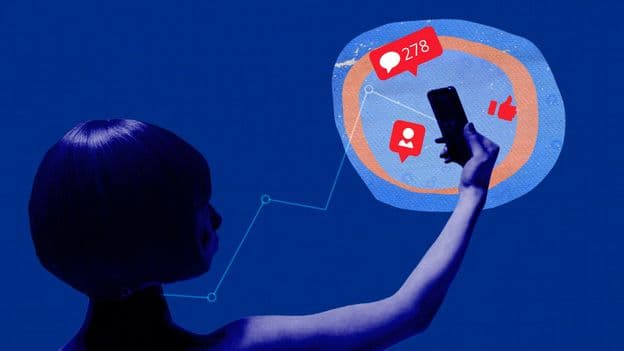
Rejecting the "haul" culture of excessive shopping and promoting conscious consumption, the de-influencer movement is going mainstream. Here's why.
The Shift in Consumer Mindset
In 2019, Diana Wiebe found herself influenced by a popular TikTok trend promoting heatless curling rods. After trying them, she realized they disrupted her sleep and were unnecessary. Fast forward to 2025, and Wiebe has become an influencer herself, but with a twist: she's dedicated to "de-influencing" her followers from buying unnecessary items.
Challenging Traditional Influencer Culture
Wiebe's TikTok content encourages her audience to reflect on their purchases, asking, "Did you want that product before it was marketed to you?". The #deinfluencing hashtag has amassed over a billion views, signaling a growing rejection of the traditional influencer model that promotes constant consumption.
Key Messages of De-Influencers
De-influencers like Wiebe advocate for messages such as "fast fashion won't make you stylish" and "underconsumption is normal consumption". They encourage a mindful approach to spending, urging followers to reconsider their shopping habits.
Mindful Spending and Personal Style
Christina Mychaskiw, another prominent voice in the de-influencer community, shares her journey of overcoming a $120,000 debt. She emphasizes the importance of using what you already own before buying new items, stating, "Put the phone down, use what you already have to create fun looks – maybe you'll realize what you have is good enough."
The Impact of Fast Fashion
Experts warn that fast fashion harms not just finances but personal style and the environment. Lucinda Graham, a stylist, suggests that developing a personal style requires patience and intentional purchasing, contrasting it with the impulsive nature of fast fashion.
A Call for Change
The de-influencing movement is still growing, and while brands like Asos and Boohoo are facing challenges, the influencer marketing industry remains robust, valued at $21.1 billion in 2023. Aja Barber, a prominent author and advocate, believes that the conversation around consumerism must extend offline for real change to occur,
The de-influencing trend reflects a significant cultural shift towards sustainability and mindfulness in consumption habits, encouraging consumers to think critically before making purchases.
- #deinfluencing
- #sustainability
- #consumerism
- #mindfulspending
- #influencerculture
Comments · 0